
Imagine this: perfectly seared chicken with a dark, flavorful crust, nestled atop a bed of creamy, dreamy fettuccine Alfredo. It’s a dish that promises indulgence and delivers every single time.
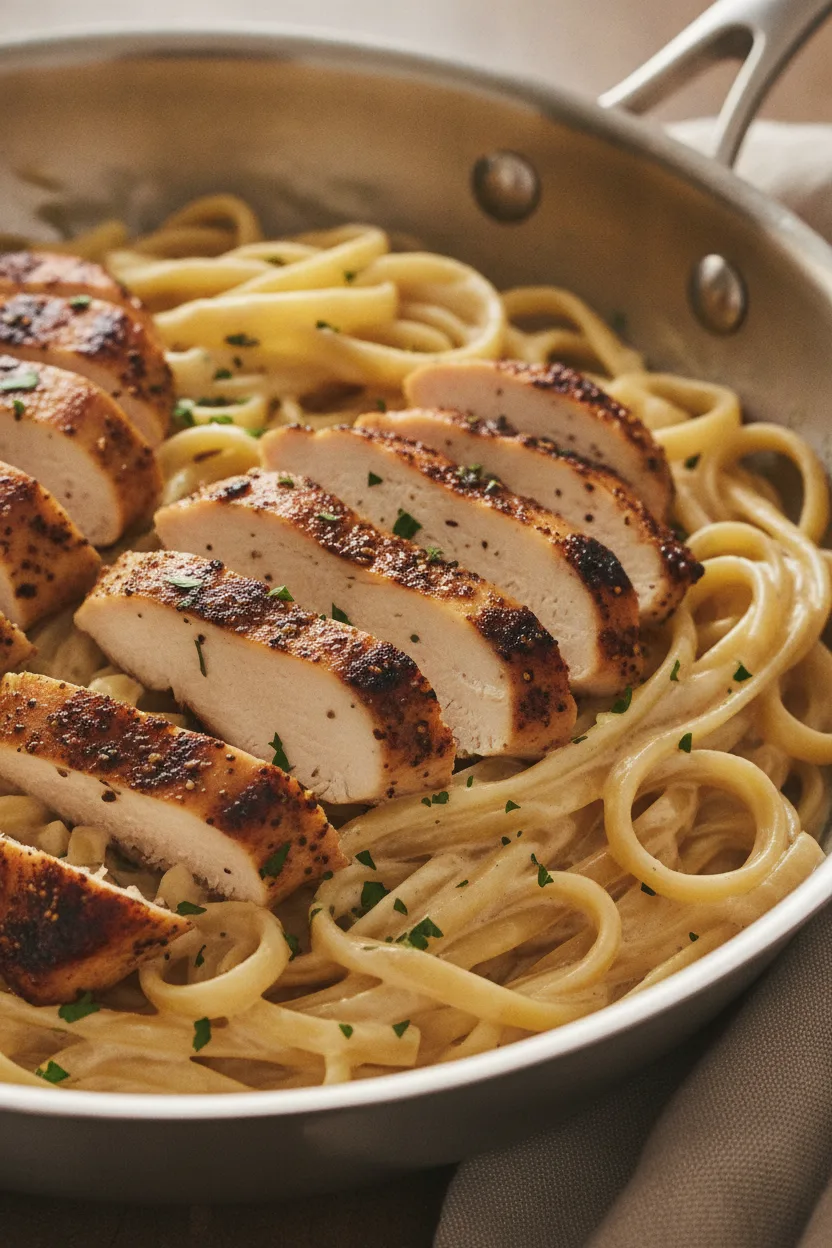
This Blackened Chicken Alfredo recipe is designed for those moments when you want to create something truly special without the fuss.
We’ve taken the classic comfort of Alfredo and elevated it with the bold, Cajun-inspired flavor of perfectly blackened chicken. It’s the kind of meal that impresses without requiring a culinary degree.
Get ready to discover your new favorite weeknight indulgence or go-to for entertaining.
Quick Overview: Making Your Ultimate Blackened Chicken Alfredo
Get ready to impress with this flavorful Blackened Chicken Alfredo! Here’s a quick look at what you’ll need and the simple steps to create this restaurant-quality dish at home.
Prep time: 15 minutes
Cook time: 20 minutes
Servings: 4
- Prepare and season chicken for blackening.
- Cook fettuccine, reserving pasta water.
- Sear chicken until golden brown and cooked through.
- Sauté garlic and build a creamy Alfredo sauce.
- Combine pasta, sauce, and chicken, then serve.
Follow the detailed steps to achieve perfectly blackened chicken and a velvety smooth Alfredo sauce.
The Art of Blackening: Achieving That Perfect Cajun Crust
Blackening isn’t just about charring; it’s a culinary technique that transforms simple ingredients into something extraordinary. It’s the secret behind that deeply flavorful, dark crust you see on perfectly cooked fish or chicken, and it’s surprisingly achievable right in your own kitchen.
This method, popularized by Chef Paul Prudhomme, relies on a specific blend of spices and high heat to create a beautiful, flavorful crust without overcooking the interior.
What Exactly is Blackening?
At its core, blackening is a searing process. It involves coating food, typically fish or chicken, in a rich blend of Cajun spices and then cooking it in a very hot, butter-basted skillet. The intense heat causes the spices and the fats from the butter and the food itself to caramelize and then char, creating that signature dark color and intense flavor.
The key difference between blackened and simply seared or charred food lies in the spice blend and the method. Blackening uses a specific, aromatic spice mix that contributes its own unique flavor profile, while charring can happen to any food exposed to excessive heat without the intentional seasoning.
The Magic of the Spice Blend
The magic truly begins with the spice blend. Our recipe calls for a robust mix of smoked paprika, garlic powder, onion powder, oregano, thyme, salt, black pepper, and a touch of cayenne pepper for a gentle warmth. This combination isn’t just for color; each spice plays a role in building layers of savory, aromatic flavor that permeate the food as it cooks.
When these spices meet the intense heat of the skillet, they undergo a chemical transformation. The high temperatures break down the sugars and proteins in the spices and the food, leading to the Maillard reaction and caramelization. This process creates hundreds of new flavor compounds, resulting in that desirable complex, slightly bitter, deeply savory crust.
The Searing Technique: High Heat is Key
Achieving the perfect blackening requires a skillet heated to medium-high to high. A well-seasoned cast-iron skillet is ideal because it retains heat exceptionally well, ensuring an even sear. You’ll want your fat – a combination of butter and olive oil in our recipe – to be shimmering hot before the chicken hits the pan.
The high heat is crucial for two reasons: it sears the exterior quickly, creating that dark crust, and it helps cook the chicken through without drying it out. Searing in batches ensures the skillet temperature remains high, preventing the chicken from steaming instead of searing. Allowing the chicken to rest afterward lets the juices redistribute, ensuring a moist and tender result.
Understanding these principles will help you master the blackening technique, turning out impressive, flavorful dishes every time.
Mastering Creamy Alfredo Sauce: The Magic of Emulsification
An exceptional Alfredo sauce is more than just cream and cheese; it’s a delicate balance of fats and liquids that come together to create pure velvety magic. Understanding the science behind its creamy texture will elevate your pasta dishes from good to unforgettable.
At its heart, a truly luxurious Alfredo sauce relies on the principle of emulsification. This is the process where two liquids that don’t normally mix, like oil or fat and water-based liquids, are combined into a smooth, stable mixture. In our case, the butter and heavy cream (fats) are whisked together with the chicken broth and the starchy pasta water (water-based liquids) to create that signature silken consistency.
Why Freshly Grated Parmesan is Non-Negotiable
When it comes to cheese, freshly grated is always best, and this is especially true for Alfredo sauce. Pre-shredded cheeses often contain anti-caking agents, like cellulose, which can prevent the cheese from melting smoothly. This can lead to a grainy or clumpy sauce. Using a microplane to grate your Parmesan cheese ensures it melts seamlessly into the sauce, contributing to its richness and savory depth.
The Role of Cornstarch as Your Secret Weapon
While a classic Alfredo sauce doesn’t traditionally include cornstarch, a small amount acts as a brilliant binder and stabilizer for home cooks. It helps to ensure a consistently thick sauce that clings beautifully to the pasta, reducing the risk of separation. When whisked with the heavy cream before adding to the hot skillet, it creates a stable emulsion that’s less prone to breaking.
Troubleshooting Common Alfredo Sauce Woes
Even with the best intentions, you might encounter a sauce that’s too thick or has started to separate. If your sauce becomes too dense, simply whisk in a tablespoon or two of the reserved starchy pasta water. The starch in the water will help loosen the sauce without diluting its flavor. If your sauce looks like it’s breaking or becoming oily, try whisking vigorously over low heat. Sometimes, adding a little more liquid (broth or pasta water) and a bit more cheese can help bring it back together. Remember, patience and gentle heat are key!
Now that we’ve demystified the sauce, let’s bring it all together with the perfectly seasoned pasta and chicken.
Let’s Get Cooking: Your Step-by-Step Guide
Now that we’ve mastered the art of blackening and the magic of a creamy Alfredo, it’s time to bring it all together. Follow these clear, concise steps to create a restaurant-worthy Blackened Chicken Alfredo right in your own kitchen. We’ve broken down the process to ensure success, even for those new to these techniques.
Step 1: Prep Your Chicken for Blackening
To ensure your chicken cooks evenly and quickly, we first need to prepare it. Slice the 2 medium chicken breasts horizontally to create 4 thinner cutlets. Then, place each cutlet between two sheets of plastic wrap and use a meat mallet or the flat side of a heavy can to pound them to an even ½-inch thickness. This uniformity is key to achieving a perfect sear without overcooking.
Step 2: Craft Your Blackening Seasoning
The heart of our blackened chicken is this robust spice blend. In a small bowl, combine 2 teaspoons smoked paprika, 2 teaspoons garlic powder, 2 teaspoons onion powder, 1 teaspoon dried oregano, 1 teaspoon dried thyme, 1 teaspoon salt, ½ teaspoon black pepper, and ¼ teaspoon cayenne pepper. Whisk these spices together until thoroughly combined. This is your all-purpose blackening seasoning for the chicken.
Step 3: Season the Chicken
Generously coat both sides of your pounded chicken cutlets with approximately 2 tablespoons of the prepared blackening seasoning. Press the seasoning gently into the meat to help it adhere. Allow the chicken to rest at room temperature while you move on to the next steps, which helps it cook more evenly.
Step 4: Cook the Fettuccine
Get a large pot of water boiling, and don’t forget to salt it generously. Cook 8 ounces of fettuccine pasta according to the package directions until it is perfectly al dente. Before draining, be sure to reserve ½ cup of the pasta cooking water; this starchy liquid is gold for adjusting sauce consistency later. Drain the pasta and toss it with a tiny bit of olive oil to prevent it from clumping together while you finish the chicken and sauce.
Discover more delicious recipes
If you enjoyed this recipe, you might also like our Onion Wrapped Flying Dutchman or our Chopped Cheese Sandwich. For a different kind of pasta delight, check out our Pasta Chips!
Step 5: Sear the Blackened Chicken
Now for that beautiful crust! Heat 2 tablespoons of butter and 2 tablespoons of olive oil in a large, heavy-bottomed skillet over medium-high heat. You’ll know it’s ready when the fat is shimmering. Carefully place the seasoned chicken cutlets in the hot skillet in a single layer – avoid overcrowding the pan. Sear for about 4-5 minutes per side, until a deep, dark crust forms and the chicken is cooked through. Transfer the chicken to a clean cutting board, tent it loosely with foil, and let it rest for at least 5 minutes. Resting allows the juices to redistribute, ensuring tender chicken.
Step 6: Build the Alfredo Base
Reduce the skillet heat to medium-low. Add the remaining 2 tablespoons of butter to the drippings left in the skillet. Once the butter has melted, add 4 minced garlic cloves and 1 tablespoon of the blackening seasoning. Stir constantly for about 1 minute until the garlic is fragrant, being careful not to burn it. This step infuses the butter with wonderful flavor.
Step 7 & 8: Thicken the Creamy Sauce
Pour in 1 ½ cups of low-sodium chicken broth and bring the mixture to a simmer, using a wooden spoon to scrape up any flavorful browned bits from the bottom of the skillet. In a separate small bowl, whisk together 1 tablespoon of cornstarch and 1 cup of heavy cream until smooth. Pour this cornstarch-cream mixture into the simmering broth. Continue to cook, stirring occasionally, until the sauce thickens nicely, which should take about 3-5 minutes.
Step 9: Finish the Sauce with Parmesan
Reduce the heat under the sauce to low. Stir in ¾ cup of freshly grated Parmesan cheese, making sure to grate it finely using the smallest holes of a microplane for the smoothest melt. Continue stirring until the cheese is completely incorporated and the sauce is velvety smooth. If the sauce seems too thick at this point, add a tablespoon or two of the reserved pasta water to thin it out to your desired consistency.
Step 10: Coat the Pasta
Add the cooked and drained fettuccine directly into the skillet with the luscious Alfredo sauce. Toss everything together gently until the pasta is evenly coated. If the sauce seems a bit too tight, add a little more of the reserved pasta water, a tablespoon at a time, until it coats the pasta beautifully.
Step 11: Add the Blackened Chicken
Slice the rested chicken cutlets into thick strips. Add the sliced chicken, along with any accumulated juices from the cutting board (that’s pure flavor!), into the skillet with the sauced pasta. Gently toss everything together to combine, ensuring the chicken is warmed through.
Step 12: Taste and Serve
Before serving, always taste your masterpiece! Adjust the seasoning with additional salt, black pepper, or cayenne pepper as needed to suit your preference. Garnish with fresh parsley, if desired, for a pop of color and freshness. Serve immediately and enjoy the fruits of your labor!
Elevate Your Blackened Chicken Alfredo: Variations & Pairings
Blackened Chicken Alfredo is a triumph on its own, but for those moments when you want to go the extra mile and truly impress, a few thoughtful additions and pairings can transform this already decadent dish into an unforgettable culinary experience. We’ve got some exciting ideas to help you customize and complement your masterpiece.
Add Some Green Goodness
While the creamy Alfredo and spicy chicken are stars, a touch of vibrant green can add both visual appeal and a refreshing counterpoint to the richness. Consider sautéing some fresh vegetables to mix into the pasta or serve alongside. Asparagus spears, with their slight crunch and earthy flavor, are a fantastic choice. Tender spinach wilts beautifully into the sauce, adding nutrients and a subtle herbaceous note. For a burst of concentrated flavor, sun-dried tomatoes bring a sweet and tangy dimension that cuts through the creaminess.
Swap Proteins or Add Sausage
Feeling adventurous? Blackened Chicken Alfredo is surprisingly versatile. For a taste of the sea, substitute the chicken with large shrimp, seasoned and seared to perfection. The quick cooking time for shrimp makes them an excellent partner for the Alfredo sauce. If you love a smoky, spicy kick, consider adding slices of cooked andouille sausage to the mix. It brings a robust, complex flavor that harmonizes wonderfully with the blackening spices and creamy pasta.
Cheese, Please!
While Parmesan is classic, don’t be afraid to experiment with other cheeses. A small amount of sharp cheddar can add a delightful tang, or a touch of Gruyère can introduce nutty undertones. Just remember to add them gradually and stir well to ensure they melt smoothly into the sauce. Using freshly grated cheese, especially for Parmesan, is key to achieving that silky, lump-free texture we discussed earlier. Avoid pre-shredded cheeses, as they often contain anti-caking agents that can prevent them from melting properly.
Perfect Pairings: Sides and Sips
To balance the richness of the Alfredo, a simple, crisp side dish is ideal. A fresh green salad with a light vinaigrette offers a refreshing contrast. For a heartier meal, consider serving with crusty garlic bread to soak up any extra sauce, or a side of simply roasted vegetables like broccoli or Brussels sprouts. When it comes to beverages, a crisp white wine like a Sauvignon Blanc or Pinot Grigio can cut through the creaminess. For non-alcoholic options, a sparkling water with lemon or a light, fruity iced tea provides a refreshing accompaniment.
With these variations and pairings, you’re well on your way to crafting a Blackened Chicken Alfredo that’s uniquely yours and guaranteed to impress.
What seasoning makes blackened chicken?
Blackened chicken seasoning is a blend typically including paprika, garlic powder, onion powder, oregano, thyme, salt, pepper, and cayenne pepper for heat.
Do I have to pound my chicken to equal thickness?
Yes, pounding chicken to an even ½-inch thickness ensures it cooks quickly and uniformly, preventing some parts from being undercooked while others are overcooked.
What if my sauce is too thick?
If the Alfredo sauce is too thick, thin it out by adding a tablespoon or two of the reserved pasta cooking water until your desired consistency is reached.
Can I use a different pasta shape?
Yes, you can substitute fettuccine with other medium-short, sturdy pasta shapes like penne, fusilli, or rotini, as well as whole-wheat or gluten-free options.
Did You Make This Amazing Blackened Chicken Alfredo?
We genuinely hope you loved creating and savoring this Blackened Chicken Alfredo. Your experience and feedback are incredibly valuable to us and the entire Meal Delights community.
Did this recipe become a new favorite? Please share your thoughts and a star rating below! Your input helps us continue to provide delicious, reliable recipes for home cooks like you. Find more recipe inspiration on Pinterest and connect with us on Facebook!

Blackened Chicken Alfredo
Equipment
- Meat mallet
- Cast iron skillet
- Microplane
- Large pot
- Small bowl
- Whisk
- Wooden spoon
- Cutting board
- Foil
Ingredients
Chicken
- 2 medium chicken breasts sliced horizontally to create 4 thinner cutlets
Blackening Seasoning
- 2 teaspoons smoked paprika
- 2 teaspoons garlic powder
- 2 teaspoons onion powder
- 1 teaspoon dried oregano
- 1 teaspoon dried thyme
- 1 teaspoon salt
- ½ teaspoon black pepper
- ¼ teaspoon cayenne pepper
- 2 tablespoons prepared blackening seasoning for seasoning chicken
Fettuccine & Pasta Water
- 8 ounces fettuccine pasta
- ½ cup pasta cooking water reserved
- 1 tablespoon olive oil for tossing pasta
For Searing Chicken
- 2 tablespoons butter
- 2 tablespoons olive oil
Alfredo Sauce
- 2 tablespoons butter
- 4 cloves garlic minced
- 1 tablespoon blackening seasoning
- 1 ½ cups low-sodium chicken broth
- 1 tablespoon cornstarch
- 1 cup heavy cream
- ¾ cup Parmesan cheese freshly grated
For Serving
- Fresh parsley chopped, for garnish (optional)
Instructions
Prepare Chicken
- Slice the 2 medium chicken breasts horizontally to create 4 thinner cutlets. Then, place each cutlet between two sheets of plastic wrap and use a meat mallet or the flat side of a heavy can to pound them to an even ½-inch thickness.
Make Blackening Seasoning
- In a small bowl, combine 2 teaspoons smoked paprika, 2 teaspoons garlic powder, 2 teaspoons onion powder, 1 teaspoon dried oregano, 1 teaspoon dried thyme, 1 teaspoon salt, ½ teaspoon black pepper, and ¼ teaspoon cayenne pepper. Whisk these spices together until thoroughly combined.
Season Chicken
- Generously coat both sides of your pounded chicken cutlets with approximately 2 tablespoons of the prepared blackening seasoning. Press the seasoning gently into the meat to help it adhere. Allow the chicken to rest at room temperature while you move on to the next steps.
Cook Fettuccine
- Get a large pot of water boiling, and salt it generously. Cook 8 ounces of fettuccine pasta according to the package directions until it is perfectly al dente. Before draining, be sure to reserve ½ cup of the pasta cooking water. Drain the pasta and toss it with a tiny bit of olive oil to prevent it from clumping together.
Sear Chicken
- Heat 2 tablespoons of butter and 2 tablespoons of olive oil in a large, heavy-bottomed skillet over medium-high heat until the fat is shimmering. Carefully place the seasoned chicken cutlets in the hot skillet in a single layer. Sear for about 4-5 minutes per side, until a deep, dark crust forms and the chicken is cooked through. Transfer the chicken to a clean cutting board, tent it loosely with foil, and let it rest for at least 5 minutes.
Build Alfredo Base
- Reduce the skillet heat to medium-low. Add the remaining 2 tablespoons of butter to the drippings left in the skillet. Once the butter has melted, add 4 minced garlic cloves and 1 tablespoon of the blackening seasoning. Stir constantly for about 1 minute until the garlic is fragrant, being careful not to burn it.
Thicken the Sauce
- Pour in 1 ½ cups of low-sodium chicken broth and bring the mixture to a simmer, scraping up any browned bits from the bottom of the skillet. In a separate small bowl, whisk together 1 tablespoon of cornstarch and 1 cup of heavy cream until smooth. Pour this cornstarch-cream mixture into the simmering broth. Continue to cook, stirring occasionally, until the sauce thickens nicely, about 3-5 minutes.
Finish Sauce with Parmesan
- Reduce the heat under the sauce to low. Stir in ¾ cup of freshly grated Parmesan cheese until completely incorporated and the sauce is velvety smooth. If the sauce seems too thick, add a tablespoon or two of the reserved pasta water to thin it out.
Coat the Pasta
- Add the cooked and drained fettuccine directly into the skillet with the Alfredo sauce. Toss everything together gently until the pasta is evenly coated. If the sauce seems too tight, add a little more of the reserved pasta water, a tablespoon at a time.
Add Chicken
- Slice the rested chicken cutlets into thick strips. Add the sliced chicken, along with any accumulated juices from the cutting board, into the skillet with the sauced pasta. Gently toss everything together to combine.
Taste and Serve
- Taste and adjust seasoning with additional salt, black pepper, or cayenne pepper as needed. Garnish with fresh parsley, if desired. Serve immediately.