
Imagine a plate of perfectly cooked linguine, glistening with a vibrant sauce, studded with plump, tender shrimp. This is not a dish reserved for fancy restaurants; it’s entirely achievable in your own kitchen.
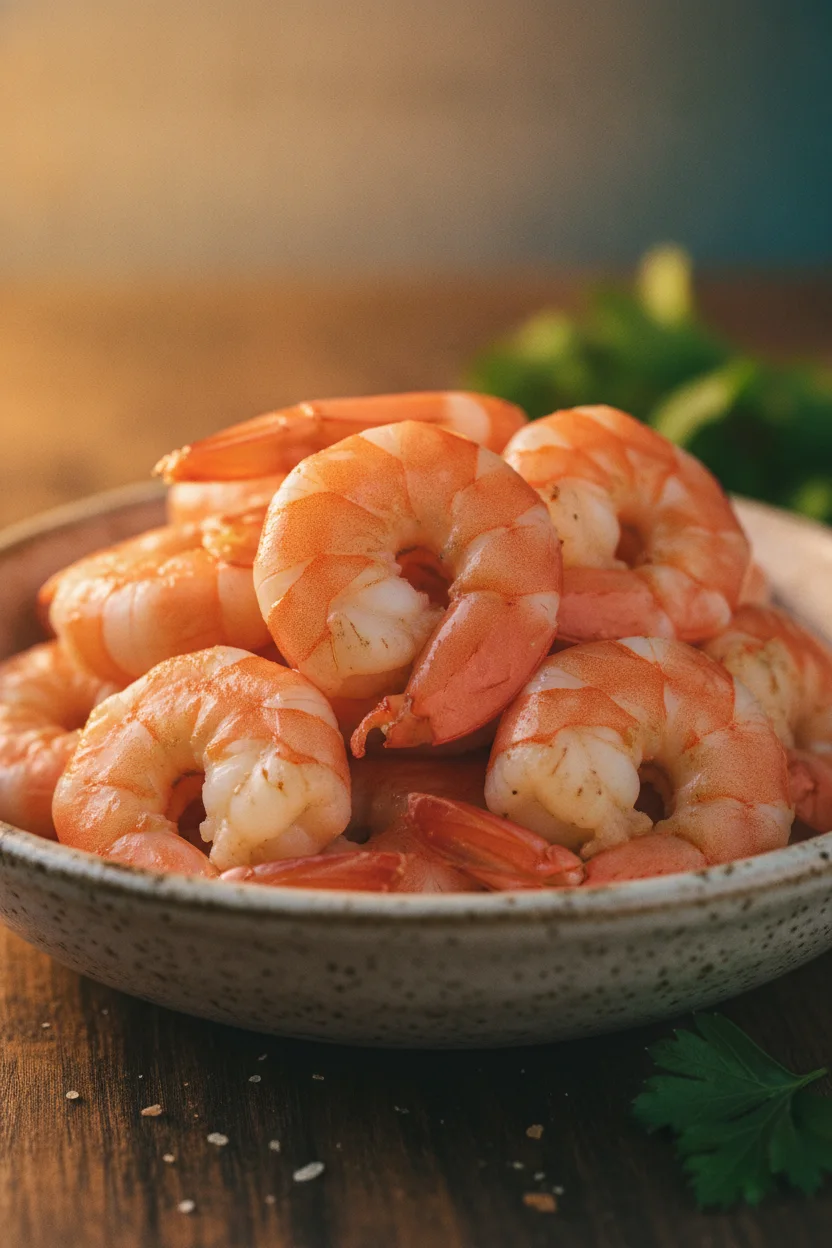
We’ve taken a classic Shrimp Scampi and refined it into your new favorite go-to recipe. It’s designed to deliver that impressive, restaurant-quality result without the fuss.
Get ready to master an incredibly delicious meal that’s both elegant and surprisingly simple to prepare.
Quick Overview: Your Effortless Shrimp Scampi
Get ready to impress with this restaurant-quality shrimp scampi. It’s quicker than you think!
Prep time: 15 minutes
Cook time: 25 minutes
Servings: 4-6
Key Steps:
- Cook linguine to al dente, reserving pasta water.
- Sauté shallots, garlic, and red pepper flakes.
- Quickly sear shrimp until pink and opaque.
- Deglaze with wine and lemon, emulsify with butter and oil.
- Toss pasta, shrimp, and sauce with parsley and pasta water.
Serve immediately for a truly memorable meal.
Mastering the Art of Shrimp Scampi: Key Ingredients & Techniques
Caitlin, achieving that restaurant-quality shrimp scampi at home is all about understanding the power of quality ingredients and the simple science behind a perfect sauce. Let’s break down what makes this dish sing.
Why Quality Ingredients Make All the Difference
The foundation of any great dish is its ingredients, and shrimp scampi is no exception. For the shrimp itself, opt for large, plump shrimp that are fresh. They cook quickly and provide a satisfying bite.
Aromatics are key to building depth. We’re using finely diced shallots here for their delicate, slightly sweet flavor, which is a bit more refined than onions. Fresh garlic, minced, adds that quintessential pungent aroma that defines scampi.
Don’t skimp on the fats either; a good quality extra-virgin olive oil and butter are essential for sautéing and creating a rich sauce. For the liquid element, a dry white wine, such as a Pinot Grigio or Sauvignon Blanc, adds a crucial layer of acidity and complexity that a simple broth or water can’t replicate. And finally, fresh lemon juice and finely chopped fresh parsley provide brightness and a clean finish.
The Magic Behind the Perfect Scampi Sauce
The seemingly simple scampi sauce is actually a beautiful example of emulsification. This is where fats (like butter and olive oil) and liquids (like wine, lemon juice, and pasta water) are combined to create a smooth, cohesive sauce that coats the pasta beautifully.
This is precisely why reserving pasta cooking water is non-negotiable. The starch in the water acts as an emulsifier, helping to bind the oil and wine together, preventing the sauce from breaking or appearing greasy. It’s the secret to that glossy finish.
Properly cooking the shrimp is also critical. They cook in mere minutes. Overcooking them even slightly will turn them tough and rubbery. A quick sear in the hot pan, just until they turn pink and opaque, is all they need. We’ll add them back at the end to warm through, ensuring they remain tender.
Now that we’ve covered the essentials, let’s walk through the steps to bring it all together.
Let’s Get Cooking: Step-by-Step
Now that you understand the importance of quality ingredients and the science behind a perfect sauce, let’s bring it all together. Follow these clear, concise steps to create your restaurant-quality shrimp scampi.
Cook the Linguine to Perfection
Start by bringing a large pot of generously salted water to a rolling boil over high heat. Add the linguine and stir immediately to prevent it from sticking together. Cook the pasta until it’s perfectly al dente – tender but still firm to the bite. Before you drain the pasta, remember to reserve about 3/4 cup of the starchy pasta cooking water; this liquid gold is essential for creating a glossy, cohesive sauce.
Build the Flavor Base
While your pasta is cooking, melt 2 tablespoons of butter with 2 tablespoons of extra-virgin olive oil in a large skillet over medium-high heat. Once shimmering, add the finely diced shallots, minced garlic, and a pinch of red pepper flakes if you desire a touch of heat. Sauté these aromatics until the shallots are soft and translucent, which should take about 3 to 4 minutes. This step builds the foundational flavor for your scampi.
Sear the Shrimp Quickly
Season the peeled and deveined shrimp generously with Kosher salt and freshly ground black pepper. Add the seasoned shrimp to the hot skillet. Cook them for just 2 to 3 minutes per side, until they turn delightfully pink and opaque. It’s crucial not to overcook them at this stage, as they will cook a bit more when returned to the sauce. Remove the shrimp from the skillet and set them aside on a plate.
Deglaze and Emulsify the Sauce
Pour the 1/2 cup of dry white wine and the juice of 1 lemon into the same skillet you cooked the shrimp in. Bring this mixture to a boil and let it simmer for about 1 minute, allowing the alcohol to evaporate and the flavors to concentrate. Reduce the heat to low and whisk in the remaining 2 tablespoons of butter and 2 tablespoons of extra-virgin olive oil until the butter is completely melted and the sauce is emulsified, creating a luscious, glossy consistency.
Bring It All Together
Return the seared shrimp to the skillet with the sauce. Add the drained linguine, the finely chopped fresh parsley, and about 1/4 cup of the reserved pasta cooking water to start. Toss everything together gently but thoroughly, ensuring the linguine and shrimp are well-coated in the flavorful sauce. If the sauce seems a bit too thick, add more of the reserved pasta water, a tablespoon at a time, until it reaches your desired consistency.
Final Touches and Serving
Taste the shrimp scampi and adjust the seasoning with additional Kosher salt and freshly ground black pepper as needed. For an extra touch of richness and visual appeal, you can drizzle a little more extra-virgin olive oil over the top. Serve this exquisite shrimp scampi immediately, while it’s hot and the sauce is perfectly glossy. You’ve successfully created a restaurant-quality dish right in your own kitchen!
Elevate Your Scampi: Creative Twists and Substitutions
Shrimp scampi is wonderfully versatile, and a few simple additions can transform it into an entirely new dish. Caitlin, I know you appreciate adapting recipes to suit your needs and tastes, so let’s explore some exciting ways to personalize this classic.
Lighter & Healthier Swaps
For those looking to lighten up this delicious dish without sacrificing flavor, consider your pasta choice. Using whole wheat linguine can add a nutritional boost and a slightly nuttier flavor. Alternatively, for a truly lighter meal, spiralize some zucchini and use it in place of pasta. Zucchini noodles offer a fresh, low-carb option that still beautifully coats with the scampi sauce.
Adding Extra Flavor Dimensions
Want to build even more complex flavors? Sautéed mushrooms add an earthy depth that pairs wonderfully with shrimp. Capers bring a briny, salty pop, reminiscent of a puttanesca. For a touch of sweetness and acidity, add some halved cherry tomatoes during the last few minutes of sauce simmering. These additions can take your scampi from simple to sophisticated in minutes. Learn more about sautéing mushrooms to perfection.
For a Creamier, Richer Sauce
If you adore a decadent, creamy sauce, this scampi can easily accommodate. For a velvety finish, stir in a splash of heavy cream along with the butter and olive oil at the end. This creates a luxurious sauce that clings to every strand of pasta. If cream isn’t your preference, a bit more butter, whisked in vigorously, will also enrich the sauce beautifully. For those who love a creamy sauce, consider a splash of heavy cream or a drizzle of a richer butter sauce.
These variations ensure your shrimp scampi is always a hit, no matter the occasion or preference. Now, let’s move on to answering some of your most pressing questions about this dish.
What’s the secret to flavorful shrimp linguine?
The secret lies in high-quality ingredients like fresh shrimp and aromatics, proper searing of the shrimp, and building a balanced sauce with wine, lemon, butter, and a touch of pasta water for emulsification.
What are some common mistakes to avoid when making shrimp scampi?
Avoid overcooking the shrimp, which makes them tough. Also, don’t skip reserving pasta water, as it’s crucial for creating a cohesive, glossy sauce.
What is the sauce of shrimp scampi made of?
The classic shrimp scampi sauce is a simple emulsification of butter, olive oil, garlic, white wine, and lemon juice, often enhanced with parsley and a bit of reserved pasta cooking water.
Did You Make This Delicious Shrimp Scampi?
We’d love to hear about your experience making this restaurant-quality shrimp scampi at home! Your feedback helps us and other home cooks improve.
Please take a moment to share your thoughts by leaving a rating and a comment below. It’s the perfect way to connect and share your culinary success!
Share your culinary triumphs! Pin your creations on Pinterest or share them on Facebook!

Shrimp Scampi with Linguine
Equipment
- Large pot
- Large skillet
Ingredients
For the Shrimp Scampi
- Linguine
- 2 tablespoons Butter
- 2 tablespoons Extra-virgin olive oil
- Shallots finely diced
- Garlic minced
- pinch Red pepper flakes
- Shrimp peeled and deveined, large, plump
- 1/2 cup Dry white wine such as Pinot Grigio or Sauvignon Blanc
- 1 Lemon juiced
- Kosher salt
- Freshly ground black pepper
- Fresh parsley finely chopped
- 3/4 cup Pasta cooking water reserved
Instructions
Cook the Linguine to Perfection
- Start by bringing a large pot of generously salted water to a rolling boil over high heat. Add the linguine and stir immediately to prevent it from sticking together. Cook the pasta until it's perfectly al dente – tender but still firm to the bite. Before you drain the pasta, remember to reserve about 3/4 cup of the starchy pasta cooking water; this liquid gold is essential for creating a glossy, cohesive sauce.
Build the Flavor Base
- While your pasta is cooking, melt 2 tablespoons of butter with 2 tablespoons of extra-virgin olive oil in a large skillet over medium-high heat. Once shimmering, add the finely diced shallots, minced garlic, and a pinch of red pepper flakes if you desire a touch of heat. Sauté these aromatics until the shallots are soft and translucent, which should take about 3 to 4 minutes. This step builds the foundational flavor for your scampi.
Sear the Shrimp Quickly
- Season the peeled and deveined shrimp generously with Kosher salt and freshly ground black pepper. Add the seasoned shrimp to the hot skillet. Cook them for just 2 to 3 minutes per side, until they turn delightfully pink and opaque. It's crucial not to overcook them at this stage, as they will cook a bit more when returned to the sauce. Remove the shrimp from the skillet and set them aside on a plate.
Deglaze and Emulsify the Sauce
- Pour the 1/2 cup of dry white wine and the juice of 1 lemon into the same skillet you cooked the shrimp in. Bring this mixture to a boil and let it simmer for about 1 minute, allowing the alcohol to evaporate and the flavors to concentrate. Reduce the heat to low and whisk in the remaining 2 tablespoons of butter and 2 tablespoons of extra-virgin olive oil until the butter is completely melted and the sauce is emulsified, creating a luscious, glossy consistency.
Bring It All Together
- Return the seared shrimp to the skillet with the sauce. Add the drained linguine, the finely chopped fresh parsley, and about 1/4 cup of the reserved pasta cooking water to start. Toss everything together gently but thoroughly, ensuring the linguine and shrimp are well-coated in the flavorful sauce. If the sauce seems a bit too thick, add more of the reserved pasta water, a tablespoon at a time, until it reaches your desired consistency.
Final Touches and Serving
- Taste the shrimp scampi and adjust the seasoning with additional Kosher salt and freshly ground black pepper as needed. For an extra touch of richness and visual appeal, you can drizzle a little more extra-virgin olive oil over the top. Serve this exquisite shrimp scampi immediately, while it's hot and the sauce is perfectly glossy. You've successfully created a restaurant-quality dish right in your own kitchen!